What Is Nilotinib Used For? Complete CML Treatment Guide (2026)
Nilotinib is a prescription cancer medicine primarily used to treat Chronic Myeloid Leukemia (CML), a type of blood cancer that begins in the bone marrow. It belongs to a class of medicines known as tyrosine kinase inhibitors (TKIs), which target the abnormal protein responsible for the growth of leukemia cells.
Originally marketed under the brand name Tasigna, nilotinib is now available in generic forms in many countries, making treatment more accessible and affordable for patients worldwide.
What Is Chronic Myeloid Leukemia (CML)?
Chronic Myeloid Leukemia is a cancer of white blood cells caused by a genetic abnormality known as the Philadelphia chromosome. This chromosome produces an abnormal protein called BCR-ABL.
The BCR-ABL protein continuously signals leukemia cells to grow and divide uncontrollably.
Without treatment, CML can progress through three stages:
• Chronic Phase
• Accelerated Phase
• Blast Crisis
Most patients are diagnosed during the chronic phase, when treatment outcomes are generally excellent.
How Does Nilotinib Work?
Nilotinib blocks the activity of the BCR-ABL tyrosine kinase protein.
When this protein is inhibited:
• Leukemia cell growth slows down
• Cancer cells die more effectively
• Disease progression is controlled
• Molecular remission becomes possible
Because nilotinib specifically targets cancer-driving pathways, it is considered a targeted therapy rather than traditional chemotherapy.
Who Can Take Nilotinib?
Doctors may prescribe nilotinib for:
Newly Diagnosed CML Patients
Patients diagnosed with Philadelphia chromosome-positive chronic phase CML may receive nilotinib as first-line treatment.
Patients Resistant to Other Treatments
Some patients do not respond adequately to imatinib or develop resistance over time. Nilotinib may offer improved disease control.
Patients Intolerant to Other TKIs
Nilotinib may be considered when side effects from alternative treatments become difficult to manage.
Typical Nilotinib Dosage
Common dosing schedules include:
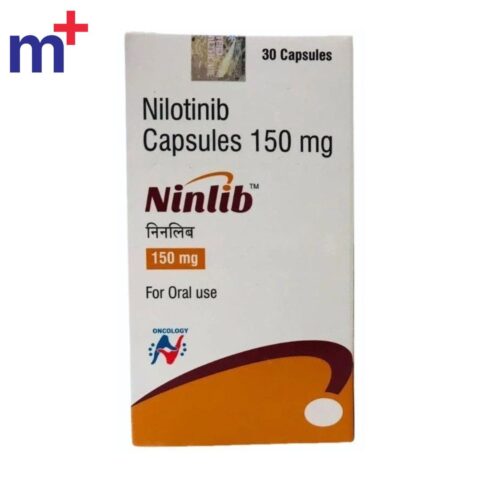
• Nilotinib 150mg capsules
• Nilotinib 200mg capsules
The exact dosage depends on:
• Disease stage
• Treatment history
• Physician recommendations
• Individual tolerance
Patients should always follow their hematologist’s instructions.
Benefits of Nilotinib Treatment
Clinical studies have shown several advantages:
Faster Molecular Response
Many patients achieve deeper molecular responses faster than with older therapies.
Lower Risk of Disease Progression
Effective BCR-ABL suppression helps reduce progression risk.
Potential for Treatment-Free Remission
Some patients who maintain deep molecular responses for years may eventually qualify for treatment discontinuation under medical supervision.
Common Side Effects
Like all medications, nilotinib may cause side effects.
Common reactions include:
• Headache
• Nausea
• Rash
• Fatigue
• Muscle pain
• Constipation
• Elevated liver enzymes
Most side effects are manageable with proper monitoring.
Serious Risks
Less common but serious risks include:
• QT interval prolongation
• Heart rhythm abnormalities
• Pancreatitis
• Liver toxicity
• Blood vessel complications
Regular blood tests and ECG monitoring are important.
Food Restrictions
Nilotinib must be taken on an empty stomach.
Patients should avoid eating:
• For at least 2 hours before dosing
• For at least 1 hour after dosing
Food can significantly increase drug absorption and raise the risk of serious side effects.
Can Nilotinib Cure CML?
Currently, nilotinib is not considered a definitive cure.
However, many patients achieve:
• Complete hematologic response
• Complete cytogenetic response
• Deep molecular remission
Some patients may eventually qualify for treatment-free remission programs.
Frequently Asked Questions
Is nilotinib chemotherapy?
No. Nilotinib is a targeted therapy known as a tyrosine kinase inhibitor.
How long do patients take nilotinib?
Many patients remain on treatment for several years, depending on response and physician guidance.
Is generic nilotinib effective?
Approved generic versions contain the same active ingredient and are designed to provide equivalent therapeutic benefits.
Can nilotinib be taken with food?
No. Nilotinib must be taken on an empty stomach.
Conclusion
Nilotinib is one of the most important advances in Chronic Myeloid Leukemia treatment. By targeting the BCR-ABL protein directly, it helps patients achieve long-term disease control, deep molecular responses, and in some cases treatment-free remission. Patients should work closely with their healthcare team to ensure safe and effective treatment.