Q & A
Ask a question
There are no questions yet


Medically reviewed by a qualified endocrinologist or diabetologist | Last updated: April 2026 Prescription-only medicine | Administered by subcutaneous injection once daily
Victoza is an FDA-approved GLP-1 (glucagon-like peptide-1) receptor agonist manufactured by Novo Nordisk, one of the world's leading diabetes care companies. The active substance is Liraglutide — a human GLP-1 analogue that is 97% homologous to native human GLP-1, engineered for once-daily subcutaneous dosing.
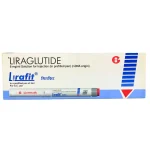
Each Victoza pre-filled multi-dose pen contains 18 mg/3 mL (6 mg/mL) of liraglutide solution for subcutaneous injection, delivering doses of 0.6 mg, 1.2 mg, or 1.8 mg per injection. The 0.6 mg dose is used only during initial titration to reduce gastrointestinal side effects. Therapeutic doses are 1.2 mg and 1.8 mg once daily.
Victoza was first approved by the FDA on January 25, 2010, and is now commercially available in 95+ countries, treating millions of people with type 2 diabetes globally. It holds two distinct FDA-approved indications — glycaemic control in type 2 diabetes, and cardiovascular risk reduction — making it one of the most clinically validated GLP-1 receptor agonists ever developed.
Key Facts at a Glance
Active substance: Liraglutide 6 mg/mL. Pen contents: 18 mg/3 mL. Available doses per injection: 0.6 mg (titration only), 1.2 mg, 1.8 mg. Administration: Subcutaneous injection, once daily, any time of day, with or without meals. Manufacturer: Novo Nordisk A/S, Novo Allé, DK-2880 Bagsværd, Denmark. US distributor: Novo Nordisk Inc., Plainsboro, NJ, USA. FDA label last revised: February 2025. Storage: 2–8°C (refrigerator) before first use; after first use store below 30°C for up to 30 days. Prescription: Required. Not for use in type 1 diabetes.
The GLP-1 receptor agonist class has undergone a transformation from a diabetes-only drug class to a cornerstone of cardiorenal metabolic medicine. Three developments in 2025/2026 give Victoza pages a decisive competitive edge:
FDA approval of first Victoza generic (late 2025): The FDA approved the first generic of Victoza — liraglutide injection 18 mg/3 mL — to Hikma Pharmaceuticals USA Inc, expanding patient access to liraglutide at lower cost during the ongoing GLP-1 supply shortage. This regulatory milestone validates liraglutide's unassailable clinical track record and opens the market further.
ADA 2026 Standards of Care — expanded GLP-1 RA indications: The ADA 2026 Standards of Care expanded GLP-1 RA recommendations to include type 2 diabetes with symptomatic heart failure with preserved ejection fraction (HFpEF), advanced chronic kidney disease (CKD), metabolic dysfunction-associated steatotic liver disease (MASLD) and steatohepatitis (MASH), and obesity. The ADA 2025 and 2026 Standards explicitly state that in patients with heart failure, CKD, established CVD, or multiple CVD risk factors, the decision to use a GLP-1 RA with proven benefit should be made irrespective of background metformin use or baseline A1C level — a paradigm shift placing liraglutide (Victoza) and its GLP-1 RA class at the centre of comprehensive cardiorenal metabolic care.
LEADER trial — still the benchmark: The landmark LEADER cardiovascular outcomes trial (9,340 patients, 32 countries, median follow-up 3.8 years) demonstrated that liraglutide significantly reduced the composite MACE endpoint by 13% versus placebo. This trial, cited in the ADA 2025 and 2026 CKD Guidelines as foundational evidence for GLP-1 RA renal and cardiovascular benefits, remains the most cited CVOT for a GLP-1 RA in current clinical guidelines.
Victoza is indicated as an adjunct to diet and exercise to improve glycaemic control in adults and paediatric patients aged 10 years and older with type 2 diabetes mellitus. It significantly reduces fasting plasma glucose, postprandial glucose, and HbA1c — the primary long-term marker of blood sugar control.
The landmark GRADE trial — a large prospective head-to-head study comparing liraglutide, sitagliptin, glimepiride, and insulin glargine added to metformin in patients with relatively early type 2 diabetes — demonstrated that liraglutide was among the most effective agents for achieving and maintaining HbA1c goals. Liraglutide is associated with a low risk of hypoglycaemia when used as monotherapy or in combination with non-sulphonylurea, non-insulin agents, and with clinically meaningful reductions in body weight.
Victoza lowers blood sugar through multiple complementary mechanisms — glucose-dependent insulin secretion stimulation, glucagon suppression, slowed gastric emptying, and enhanced satiety — all regulated in a glucose-dependent manner that dramatically reduces the risk of hypoglycaemia compared to sulphonylureas and insulin.
Victoza is specifically FDA-indicated to reduce the risk of major adverse cardiovascular events (MACE) — defined as cardiovascular death, non-fatal myocardial infarction, or non-fatal stroke — in adults with type 2 diabetes and established cardiovascular disease.
The LEADER trial (published NEJM 2016; 9,340 patients; 32 countries; median follow-up 3.8 years) showed that liraglutide significantly reduced the primary MACE composite endpoint — 13.0% vs 14.9% in the placebo group (HR 0.87; 95% CI 0.78–0.97; p=0.01 for superiority), with an absolute risk reduction of 1.9%. Cardiovascular death was also significantly reduced (4.7% vs 6.0%; HR 0.78; p=0.007). All-cause mortality was reduced (8.2% vs 9.6%; HR 0.85; p=0.02).
This dual indication — glycaemic control plus cardiovascular risk reduction — makes Victoza uniquely positioned among type 2 diabetes therapies. It is the only once-daily liraglutide injection with both indications, endorsed by FDA, ADA, EASD, and ESC guidelines.
Beyond its FDA-approved indications, Victoza is a cornerstone of the ADA 2025 and 2026 Standards of Care treatment algorithm:
Established or high-risk cardiovascular disease: ADA 2025 recommends GLP-1 RAs with proven cardiovascular benefit (including liraglutide, based on LEADER trial data) as preferred agents — irrespective of baseline A1C or background metformin — for patients with type 2 diabetes and established or high-risk ASCVD.
Heart failure with preserved ejection fraction (HFpEF): ADA 2026 Standards added GLP-1 RAs to the glycaemic treatment recommendations for patients with type 2 diabetes and symptomatic HFpEF — a new and significant expansion of the GLP-1 RA role in heart failure management.
Chronic kidney disease (CKD): ADA 2025 and 2026 Standards confirm GLP-1 RAs (including liraglutide) as preferred glucose-lowering agents in type 2 diabetes with CKD, effective at all stages of kidney function with low hypoglycaemia risk. The ADA 2026 CKD Standards added a new recommendation on initiation or continuation of GLP-1-based therapy in patients on dialysis for cardiovascular risk reduction.
MASLD and MASH: ADA 2026 guidelines recommend a GLP-1 RA in patients with type 2 diabetes, MASLD (metabolic dysfunction-associated steatotic liver disease), and overweight or obesity.
Liraglutide in Victoza is a human GLP-1 analogue — 97% homologous to native GLP-1 — engineered for prolonged activity by attaching a C-16 fatty acid (palmitic acid) via a glutamic acid spacer to lysine at position 26. This modification allows reversible binding to albumin in the bloodstream, dramatically extending the half-life to approximately 13 hours — enabling once-daily dosing compared to native GLP-1's half-life of under 2 minutes.
Liraglutide binds to and activates GLP-1 receptors throughout the body, producing its therapeutic effects through multiple pathways:
Glucose-dependent insulin secretion: GLP-1 receptor activation in pancreatic beta cells stimulates insulin secretion — but only when blood glucose is elevated above normal fasting levels. This glucose-dependency is the critical safety feature that makes Victoza low-risk for hypoglycaemia when used without sulphonylureas or insulin.
Glucagon suppression: Liraglutide suppresses glucagon secretion from pancreatic alpha cells — again only when blood glucose is elevated. Lower glucagon means less hepatic glucose production and lower post-meal glucose spikes.
Gastric emptying delay: Liraglutide slows gastric emptying, blunting the rate at which carbohydrates are absorbed into the bloodstream after meals and reducing postprandial glucose excursions.
Central appetite suppression: GLP-1 receptors in the hypothalamus and brainstem mediate satiety signalling. Liraglutide activation of central GLP-1 receptors reduces appetite and caloric intake, producing clinically meaningful body weight reduction (typically 2–4 kg at therapeutic doses). This is the same receptor target used at higher doses in Saxenda (liraglutide 3 mg) for obesity management.
Cardiovascular and renal mechanisms: Liraglutide acts directly on GLP-1 receptors in the myocardium, vasculature, and kidneys — reducing endothelial dysfunction, systemic inflammation, atherosclerotic plaque progression, blood pressure, and urinary albumin excretion. These direct non-glycaemic effects are believed to contribute to the cardiovascular and renal outcome benefits seen in the LEADER trial.
Pharmacokinetics: Following subcutaneous injection, peak liraglutide concentrations are achieved at 8–12 hours post-dose. At 1.8 mg once daily, average steady-state concentration over 24 hours is approximately 128 ng/mL. Bioavailability of subcutaneous liraglutide is approximately 55%. Victoza does not produce QTc prolongation at any therapeutic dose.
Victoza is prescribed and initiated by a qualified endocrinologist, diabetologist, or physician. Patients self-administer the once-daily subcutaneous injection after training.
Device: Victoza is supplied as a pre-filled multi-dose pen (18 mg/3 mL) designed for repeated subcutaneous use. Compatible NovoFine or NovoTwist pen needles are required but are not included — obtain separately. Each pen contains multiple doses.
Dosing schedule — mandatory stepwise titration:
Week 1 (titration): 0.6 mg subcutaneously once daily. This dose is not therapeutically effective for blood glucose control — its sole purpose is to reduce the incidence and severity of gastrointestinal side effects (nausea, vomiting, diarrhoea) during initiation. Do not increase to 1.2 mg early, even if GI side effects are absent.
Week 2 onwards: Increase to 1.2 mg subcutaneously once daily. For most patients, 1.2 mg provides adequate glycaemic control.
If additional glycaemic control is required after at least 1 week at 1.2 mg: Increase to the maximum recommended dose of 1.8 mg subcutaneously once daily.
Timing: Victoza may be injected at any time of day, independent of meals — select a consistent time that suits daily routine. If a dose is missed: inject the missed dose as soon as possible within 12 hours of the regular scheduled time. If more than 12 hours have passed, skip the missed dose and resume on the next scheduled day.
Injection sites: Abdomen, upper arm, or thigh. Rotate sites within each region with every injection to prevent lipodystrophy and injection site reactions. Victoza may be injected in the same body region as insulin but not adjacent to the insulin injection site.
Storage: Before first use — store at 2–8°C in the refrigerator. Do not freeze. After first use — store below 30°C (86°F) for up to 30 days. Do not refrigerate after first use — insulin pen mechanics can jam in cold storage. Keep out of direct sunlight and heat. Cap the pen after each use to protect from light. Discard the pen 30 days after first use.
Dose adjustment considerations: No dose adjustment is required for renal or hepatic impairment — a key clinical advantage over many diabetes medications. However, monitor renal function in patients reporting GI adverse reactions causing volume depletion, as acute kidney injury has been reported secondary to dehydration.
Combination with sulphonylureas or insulin: When Victoza is added to a sulphonylurea or insulin regimen, the sulphonylurea or insulin dose should be reduced to lower the risk of hypoglycaemia. Victoza does not require dose adjustment based on renal function alone.
Do not use concurrently with: Other liraglutide-containing products (Saxenda). Other GLP-1 receptor agonists. Do not mix Victoza with insulin in the same injection.
Do not use Victoza if: you have type 1 diabetes mellitus — Victoza is not indicated and not effective in type 1 diabetes; you have a personal or family history of medullary thyroid carcinoma (MTC); you have Multiple Endocrine Neoplasia syndrome type 2 (MEN 2); you have a known serious hypersensitivity reaction to liraglutide or any Victoza excipient (anaphylaxis, angioedema); you have severe gastroparesis — Victoza's gastric emptying delay can worsen this condition; you are currently taking another liraglutide product (Saxenda).
Use under close medical supervision in: patients with a history of pancreatitis — GLP-1 RAs have been associated with acute pancreatitis; patients with a history of gallbladder disease or gallstones — GLP-1 RAs increase the risk of cholelithiasis and cholecystitis; patients with heart rate abnormalities — Victoza produces a modest increase in resting heart rate; patients with a history of diabetic retinopathy on concurrent insulin therapy — a transient worsening of retinopathy has been observed; patients with renal impairment — monitor for GI-induced dehydration and acute kidney injury; elderly patients; patients with severe hepatic impairment — limited clinical experience; pregnant or breastfeeding women.
Victoza is not indicated for weight loss. Do not prescribe Victoza for weight management — the liraglutide 3.0 mg product Saxenda is specifically indicated and dosed for obesity management.
Thyroid C-cell Tumours — Boxed Warning: Liraglutide causes dose-dependent and duration-dependent thyroid C-cell tumours (adenomas and carcinomas) at clinically relevant exposures in rodent studies. Whether liraglutide causes medullary thyroid carcinoma (MTC) in humans has not been determined. Cases of MTC have been reported in post-marketing surveillance but causality has not been established. Victoza is absolutely contraindicated in patients with personal or family history of MTC or MEN 2. Counsel patients on symptoms of thyroid tumours — neck mass, dysphagia, dyspnoea, persistent hoarseness. Routine calcitonin monitoring or thyroid ultrasound surveillance is not recommended due to low specificity and high thyroid disease background prevalence.
Acute Pancreatitis: Acute pancreatitis — including fatal and non-fatal haemorrhagic and necrotising pancreatitis — has been reported in patients treated with GLP-1 receptor agonists including liraglutide. Monitor carefully for signs and symptoms after initiation and with dose increases — persistent severe abdominal pain radiating to the back, with or without vomiting. If pancreatitis is suspected, discontinue Victoza immediately. Do not restart following confirmed pancreatitis.
Acute Gallbladder Disease: GLP-1 receptor agonists are associated with increased gallstone formation and cholecystitis. If cholelithiasis or cholecystitis is suspected, gallbladder investigation is indicated. Consider discontinuation if confirmed.
Hypoglycaemia with Sulphonylureas and Insulin: Victoza alone has a low intrinsic hypoglycaemia risk due to its glucose-dependent mechanism. However, significant hypoglycaemia can occur when Victoza is co-administered with a sulphonylurea or insulin. Reduce sulphonylurea or insulin dose when adding Victoza. Educate patients on hypoglycaemia symptoms and management.
Heart Rate Increase: Victoza causes a modest mean increase in resting heart rate of approximately 2–3 beats per minute. Clinically significant increases have been reported in individual patients. Monitor resting heart rate at regular intervals throughout treatment. Discontinue Victoza in patients who experience a sustained clinically significant increase in heart rate.
Acute Kidney Injury — Dehydration Risk: Acute kidney injury and worsening of chronic renal failure — requiring hospitalisation and dialysis — have been reported in patients treated with Victoza, primarily related to severe GI-induced dehydration. Monitor renal function in patients reporting significant nausea, vomiting, or diarrhoea.
Severe Gastrointestinal Reactions: Victoza is associated with GI adverse reactions, sometimes severe — including severe vomiting and diarrhoea causing dehydration and electrolyte disturbances. Victoza is not recommended in patients with severe gastroparesis or severe GI motility disorders.
Hypersensitivity: Serious post-marketing hypersensitivity reactions including anaphylaxis and angioedema have been reported. Discontinue immediately if these occur and do not restart Victoza.
Diabetic Retinopathy in Insulin-Treated Patients: Rapid improvement in glycaemic control has been associated with transient worsening of diabetic retinopathy. In the LEADER trial, retinopathy complications occurred more frequently in the liraglutide group (3.0%) versus placebo (1.8%) in patients with baseline retinopathy who were treated with concurrent insulin.
Oral medications requiring rapid absorption (antibiotics, oral contraceptives): Victoza's gastric emptying delay may transiently reduce the rate — though not the extent — of absorption of oral medications. For time-sensitive oral medications, consider administering at least 1 hour before Victoza injection.
Sulphonylureas (glibenclamide, glimepiride, glipizide): Concurrent use significantly increases hypoglycaemia risk. Reduce sulphonylurea dose when initiating or up-titrating Victoza. Monitor blood glucose carefully.
Insulin: Concurrent use increases hypoglycaemia risk. Reduce insulin dose by at least 20% when adding Victoza. Monitor blood glucose and adjust based on response. Do not mix Victoza with insulin in the same syringe.
Warfarin and oral anticoagulants: Liraglutide may cause clinically significant changes in INR when used concurrently with warfarin. Monitor INR closely when initiating or adjusting Victoza in warfarin-treated patients.
HIV medications, immunosuppressants, and other narrow therapeutic index drugs: Reduced GI absorption rate due to gastric emptying delay may theoretically affect critical drug exposures. Monitor therapeutic levels if clinically relevant.
Other GLP-1 receptor agonists: Absolute contraindication — do not co-administer. Do not use Victoza concurrently with Saxenda (liraglutide 3 mg), Ozempic, Rybelsus, Trulicity, Byetta, Bydureon, or any other GLP-1 RA.
Very common: Nausea — the most frequently reported side effect, occurring in up to 28% of patients in clinical trials. Most commonly experienced during the first 2–8 weeks of treatment and during dose escalation. Usually mild to moderate and transient. Diarrhoea. Vomiting. Abdominal pain. Decreased appetite. Constipation. Headache. Injection site reactions including redness, bruising, and mild skin induration.
Common: Dizziness. Dyspepsia. Gastroesophageal reflux. Upper respiratory tract infections. Increased lipase and amylase levels. Fatigue. Nasopharyngitis. Back pain. Mild resting heart rate increase (2–3 bpm average).
Uncommon but clinically important: Dehydration from severe GI adverse reactions. Acute kidney injury secondary to dehydration. Gallstones (cholelithiasis). Cholecystitis. Mild hypoglycaemia when used without sulphonylureas (rare). Elevated calcitonin — typically not clinically significant but requires monitoring if persistent.
Serious — seek immediate medical attention for: Persistent severe abdominal pain radiating to the back with or without vomiting (possible acute pancreatitis — discontinue immediately). Signs of allergic reaction — facial swelling, throat tightening, difficulty breathing (possible anaphylaxis). Severe and persistent vomiting with inability to keep fluids down (risk of dehydration and acute kidney injury). Neck mass, hoarseness, or difficulty swallowing (possible thyroid tumour — requires evaluation). Signs of severe hypoglycaemia — confusion, seizure, loss of consciousness.
Monitoring: HbA1c every 3–6 months until stable. Fasting plasma glucose and self-monitored blood glucose as clinically indicated. Resting heart rate at regular intervals. Renal function at baseline and periodically. Liver function if hepatic disease is suspected. Annual dilated eye examination in patients with diabetic retinopathy treated with concurrent insulin.
Before first use: Refrigerate at 2–8°C. Do not freeze. Protect from direct heat and light. Do not use Victoza if it has been frozen. After first use: Store at room temperature below 30°C (86°F) or refrigerated at 2–8°C for up to 30 days. Keep cap on pen when not in use. Do not share pens between patients. Dispose of used needles safely in an approved sharps container immediately after injection. Dispose of pen 30 days after first use even if solution remains. Keep out of reach of children.
What is Victoza injection used for? Victoza is used to improve blood sugar control in adults and children aged 10 and over with type 2 diabetes, and to reduce the risk of heart attack, stroke, and cardiovascular death in adults with type 2 diabetes and established cardiovascular disease. It is not for type 1 diabetes and not a weight loss medicine.
How is Victoza different from Ozempic or Saxenda? All three are liraglutide or semaglutide GLP-1 receptor agonists. Victoza contains liraglutide dosed at 1.2 or 1.8 mg for type 2 diabetes. Saxenda contains liraglutide at 3 mg specifically for obesity management. Ozempic contains semaglutide (a different GLP-1 analogue) for type 2 diabetes. They cannot be co-administered.
When should I inject Victoza? Once daily, at any time of day, with or without meals — at a consistent time that suits your routine. Inject into the abdomen, upper arm, or thigh. Rotate injection sites.
What if I miss a Victoza dose? Inject the missed dose as soon as possible if within 12 hours of the usual scheduled time. If more than 12 hours have passed, skip the missed dose and resume the next day. Never take a double dose.
Can Victoza cause low blood sugar? Victoza alone has a low risk of hypoglycaemia due to its glucose-dependent mechanism. However, significant low blood sugar can occur when Victoza is combined with a sulphonylurea or insulin — your doctor will reduce these doses when starting Victoza.
Does Victoza cause weight loss? Victoza typically produces modest weight reduction of 2–4 kg at therapeutic doses in patients with type 2 diabetes. This is a secondary benefit — not the primary indication. For weight management specifically, Saxenda (liraglutide 3 mg) is the indicated product.
Is Victoza safe with kidney disease? Victoza does not require dose adjustment for any level of renal impairment and is effective at lowering glucose regardless of kidney function. However, monitor renal function if significant nausea, vomiting, or diarrhoea occur, as dehydration can cause acute kidney injury. The ADA 2025 and 2026 guidelines recommend GLP-1 RAs including liraglutide as preferred agents in type 2 diabetes with CKD.
Has Victoza been approved as a generic? Yes — in late 2025, the FDA approved the first generic of Victoza (liraglutide injection 18 mg/3 mL) to Hikma Pharmaceuticals USA Inc, expanding patient access during the ongoing GLP-1 medication shortage.
Do you ship Victoza internationally? Yes — discreet, secure shipping to USA, UK, UAE (Dubai, Abu Dhabi), Canada, Japan, Russia, China, Thailand, India, Saudi Arabia, and Australia.
Is a prescription required? Yes. Victoza is a prescription-only medicine. Always consult a qualified endocrinologist, diabetologist, or physician before starting, adjusting, or stopping liraglutide therapy.
Good experience with milanmedicals.com Good follow up, flexible, went out of his way to help.