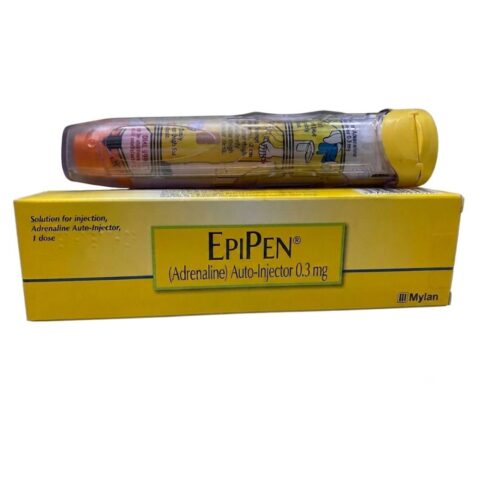
EpiPen Auto-Injector is a branded emergency medicine containing epinephrine, also known as adrenaline. It is designed for the immediate treatment of severe allergic reactions, including anaphylaxis, which can develop rapidly following exposure to certain foods, medicines, insect stings or other allergens.
Epinephrine acts on alpha- and beta-adrenergic receptors to help relieve airway narrowing, support blood pressure and reduce swelling associated with a severe allergic reaction.
EpiPen is a prefilled, single-use auto-injector intended for administration into the outer thigh. It provides a measured dose when immediate treatment is needed.
EpiPen is available in different fixed-dose presentations. The appropriate strength depends on the patient’s body weight, clinical assessment and the applicable product guidance.
Weight thresholds and prescribing recommendations can vary by jurisdiction. The healthcare professional should select the appropriate product and strength.
EpiPen is prescribed for emergency treatment of anaphylaxis associated with:
EpiPen provides immediate emergency treatment while further medical care is arranged. It is not a substitute for emergency assessment or ongoing allergy management.
Use EpiPen immediately according to the prescribed emergency action plan and instructions supplied with the device.
The auto-injector is intended for administration into the middle of the outer thigh. The device-specific instructions explain how to remove the safety cap, position the injector, activate it and hold it in place for the specified period.
Do not inject into the hands, fingers, feet, buttocks or veins. Avoid accidental injection into another person’s body.
After administering EpiPen, seek emergency medical care immediately. A second auto-injector may be required if symptoms persist or return, in accordance with the emergency action plan and medical guidance.
Patients at risk of anaphylaxis are commonly advised to carry two prescribed auto-injectors because one dose may not be sufficient.
Common side effects may include:
These effects may occur because epinephrine stimulates the cardiovascular and nervous systems. Serious cardiovascular effects are possible, particularly in people with certain heart conditions.
Despite these risks, epinephrine is an essential first-line emergency treatment for anaphylaxis when prescribed. Do not delay its use during a life-threatening allergic reaction because of concerns about side effects.
Inform the healthcare professional about relevant medical conditions, current medicines and known allergies.
Important precautions include:
The presence of a sulfite in the product should not deter use during a life-threatening allergic emergency. Consult the official product leaflet for complete warnings and precautions.
Store EpiPen at room temperature according to the manufacturer’s instructions. The US product information specifies 20–25°C, with permitted excursions as stated in its label.
Keep the device in its protective carrier and packaging to protect it from light. Do not refrigerate or freeze the auto-injector, and avoid excessive heat or cold.
Check the expiry date regularly and obtain a replacement before expiry. If the solution appears pink or brown or contains visible particles, replace the device.
For EpiPen 0.3 mg or EpiPen Jr 0.15 mg auto-injector pricing, pack sizes and availability, contact the supplier to verify the precise strength, package quantity, expiry date and current stock.
Product authorization, prescription requirements and available alternatives vary by country. Confirm the specific product’s local status and obtain it through an authorized pharmacy or eligible supplier.
1. What is EpiPen used for?
EpiPen is used for the emergency treatment of severe allergic reactions, including anaphylaxis.
2. What is the active ingredient in EpiPen?
The active ingredient is epinephrine, also called adrenaline.
3. What is the difference between EpiPen and EpiPen Jr?
The standard EpiPen delivers 0.3 mg of epinephrine, while EpiPen Jr delivers 0.15 mg. The appropriate strength depends on body weight and clinical guidance.
4. What is the price of EpiPen?
Price varies by country, prescription arrangements, package quantity and supplier. Request a current quotation for the prescribed strength.
5. Can EpiPen be purchased online?
Availability depends on local prescription rules, product authorization and supplier eligibility. Check the requirements in the destination country before ordering.
6. Does EpiPen replace emergency medical care?
No. EpiPen provides immediate treatment for anaphylaxis, but emergency medical assistance is still required after administration, even when symptoms improve.
7. How should EpiPen be stored?
Store it according to the package instructions, protect it from light and avoid refrigeration, freezing and extreme temperatures. Check the expiry date and the appearance of the solution regularly.
This description is for general product information and does not replace professional medical advice, diagnosis or treatment. EpiPen is an emergency medicine and should be prescribed and used according to the official instructions and an individualized allergy action plan. Anaphylaxis is life-threatening; seek emergency medical assistance immediately after use.
Last Updated: October 25, 2026
Orders ship from our India Head Office within 1–2 business days of confirmation. We include full customs documentation — HS codes, certificates of origin, and pharmaceutical export permits.
Estimated delivery: 3–7 business days to UK. 7–10 business days to UAE, Saudi Arabia and Gulf countries. 10–15 days for USA and Asian countries.
All packages arrive in plain, unmarked brown boxes. No pharmacy name or medication details on the outside.
Only logged in customers who have purchased this product may leave a review.



Reviews
There are no reviews yet.