Estradiol: Understanding Estrogen Therapy and the Different Ways It Can Be Used
From tablets and patches to gels, injections and vaginal creams, estradiol therapy comes in several forms — and the right option depends on the symptoms, treatment goal and individual medical situation.
Hot flashes. Night sweats. Vaginal dryness. Changes in sleep. Shifting hormone levels.
For many women, the transition through menopause brings symptoms that are more disruptive than simply feeling a little different.
Estrogen plays an important role in the reproductive system and in many estrogen-responsive tissues throughout the body. As ovarian estrogen production declines during menopause, some people may develop symptoms associated with lower estrogen levels.
That’s where estrogen therapy can enter the conversation.
One of the most familiar forms is estradiol — a naturally occurring human estrogen and an active ingredient used in several prescription hormone therapies.
The important question is therefore not simply “Which estrogen is strongest?” It is “Which formulation and treatment approach is appropriate for this person’s symptoms and medical needs?”
Estradiol at a glance
Estradiol
Estrogen hormone therapy
Tablets, patches, gels, injections and vaginal preparations
Menopause-related symptoms and other estrogen-responsive conditions
Oral, transdermal, injectable or vaginal depending on the product
Prescription medicine; regulations vary by country
Specific indications, strengths, dosing schedules and approved formulations can vary by product and country. Always follow the applicable prescribing information.
What exactly is estradiol?
Estradiol is one of the body’s naturally occurring estrogens and is considered the principal intracellular human estrogen. It acts by binding to estrogen receptors in estrogen-responsive tissues.
That receptor activity helps explain why estrogen can influence many different parts of the body.
During the reproductive years, the ovaries are an important source of estradiol. After menopause, endogenous estrogen production changes substantially, with estrone becoming a more prominent circulating estrogen.
Prescription estradiol can therefore be used to provide estrogen activity when treatment is medically appropriate.
Think of estradiol as the hormone — not the delivery system.
The same broad hormone can be delivered in very different ways. A tablet, skin patch, gel, injection and vaginal preparation are not simply different packages of the same treatment; their routes of administration and clinical uses can differ.
Why is estradiol associated so closely with menopause?
Menopause is associated with a decline in ovarian estrogen production. For some women, this hormonal change can contribute to symptoms such as hot flashes, night sweats and vaginal dryness.
Hormone therapy can be considered when symptoms are significant and the benefits are appropriate for the individual.
Estradiol products are among the estrogen therapies used in this setting. Depending on the product, estrogen may be delivered systemically or locally.
For example, systemic estradiol products can be used for symptoms such as moderate to severe menopausal vasomotor symptoms, while certain vaginal estrogen products are designed to address vulvar and vaginal symptoms.
Estradiol comes in more than one form
One of the most useful things to understand about estrogen therapy is that there is no single “estradiol product.”
Prescription estrogen therapies can be formulated for oral, transdermal, injectable or vaginal administration.
Estradiol tablets
Oral estradiol tablets provide estrogen through the gastrointestinal tract and are one of the established forms of systemic estrogen therapy.
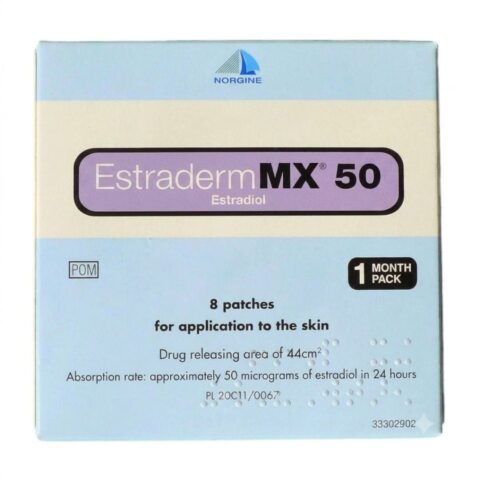
Estradiol patches
Transdermal patches deliver estradiol through the skin. Products such as Estraderm use this route to provide controlled delivery over time.
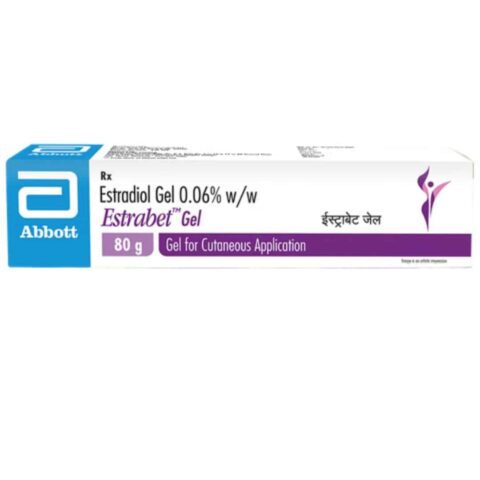
Estradiol gel
Transdermal estradiol gel is applied to the skin and absorbed systemically. The exact application instructions depend on the specific product.
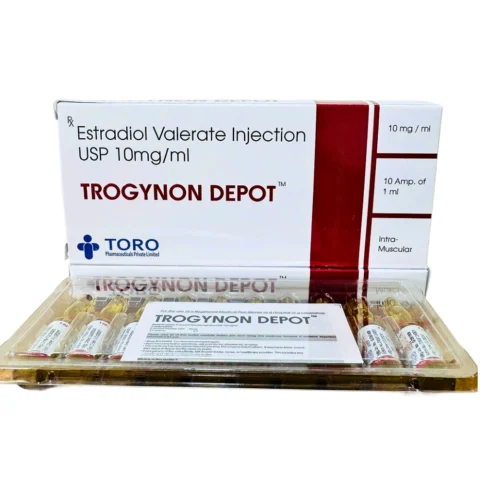
Estradiol valerate injection
Estradiol valerate is an injectable estrogen ester. Injectable preparations have different pharmacokinetic characteristics from oral or transdermal products.
Vaginal estrogen creams
Vaginal estrogen preparations are used locally for symptoms involving vaginal and vulvar tissues, depending on the specific product and indication.
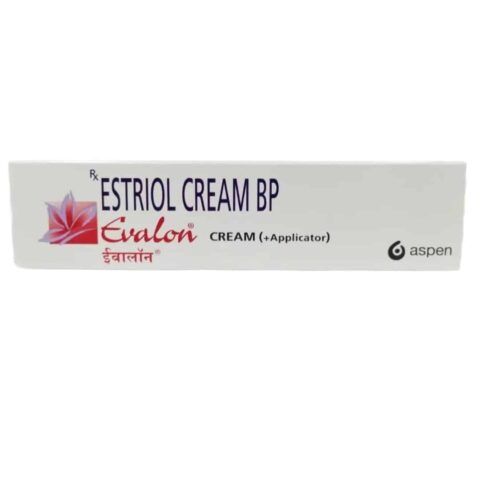
Estriol cream
Estriol is a different estrogen from estradiol. Products containing estriol, such as Evalon Cream, should therefore be discussed as their own formulation rather than being treated as identical to estradiol products.
The route of administration can influence absorption, exposure and how a medicine is used clinically. Do not switch between formulations without professional guidance.
Estradiol tablets: a familiar form of estrogen therapy
Oral estradiol tablets contain micronized estradiol and are designed for systemic estrogen exposure.
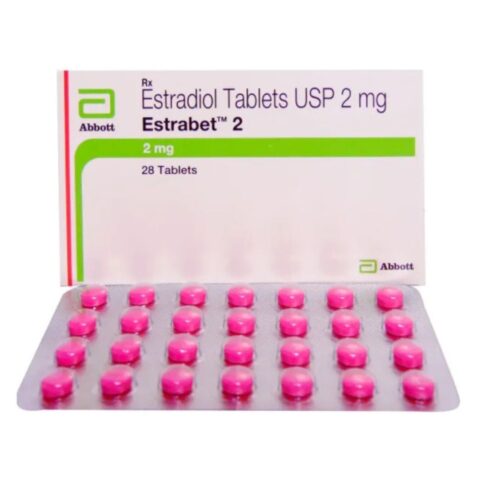
Different tablet strengths are available depending on the product and market. For example, estradiol tablets may be available in strengths including 0.5 mg, 1 mg and 2 mg.
That does not mean that a higher-strength tablet is automatically “better.”
The appropriate dose depends on the indication, treatment response, medical history and prescribing plan.
Strength is not the same as suitability.
Choosing an estrogen dose based only on the number printed on the package can be misleading. Hormone therapy should be individualized by a qualified healthcare professional.
Estradiol patches: delivering estrogen through the skin
Estradiol patches provide a different route of administration from tablets.
The patch is applied to the skin, where estradiol is absorbed into the body over time. Depending on the product, patches are designed to release a specified amount of estradiol over a defined period.
Estraderm MX 50, for example, is an estradiol transdermal patch product. Its product information describes controlled release of estradiol through the skin.
For someone who prefers a non-oral route or whose clinician considers transdermal therapy appropriate, a patch may be one treatment option.
A useful way to think about it:
Oral and transdermal estradiol are not simply interchangeable versions of the same prescription. They use different delivery routes and should be selected according to the individual’s treatment plan.
Estradiol gel: estrogen without a tablet or patch
Estradiol gel is another way to deliver estrogen through the skin.
Rather than swallowing a tablet or applying an adhesive patch, the prescribed quantity of gel is applied to the skin according to the product’s instructions.
Current prescribing information for estradiol gel includes treatment of moderate to severe vasomotor symptoms associated with menopause, although approved indications can vary by product and market.
Because it is a topical product that can transfer to other people before it has fully dried, application instructions and precautions are important.
Don’t treat gel like ordinary skincare.
Estradiol gel is a prescription hormone medicine. The application site, dose, washing instructions and precautions should be followed exactly as directed for the specific product.
What makes estradiol valerate injection different?
Estradiol valerate is an ester of estradiol used in injectable estrogen preparations.
Unlike a daily tablet or a skin product that is absorbed continuously according to its formulation, an injectable ester can provide a longer-lasting depot effect after administration.
That difference affects how the medicine is absorbed and how often it may be administered.
Because injectable hormone therapy requires appropriate product selection, administration and dosing, it should be used only according to a clinician’s instructions.
Do not compare injections and tablets simply by milligrams.
Different estrogen formulations have different pharmacokinetic properties. The numerical dose on one formulation cannot be used to determine an equivalent dose of another without professional guidance.
Vaginal estrogen: when the treatment goal is local
Not every menopause-related symptom requires the same type of estrogen exposure.
Vaginal estrogen products are designed to act on vaginal and vulvar tissues and may be prescribed for symptoms associated with vulvovaginal atrophy, including dryness and discomfort.
Products in this category can contain different estrogens.
For example, some products contain estradiol, while others contain conjugated estrogens or estriol.
Local does not mean “the same as systemic.”
Vaginal estrogen products have their own dosing instructions, indications and safety considerations. The amount absorbed systemically can also vary by formulation and route.
Estradiol, estriol and conjugated estrogens are not identical
Estrogen therapy can become confusing because several different estrogen names appear on product labels.
Estradiol is a specific estrogen hormone used in oral, transdermal, injectable and vaginal products.
Estriol is another estrogen. An estriol cream such as Evalon is therefore not the same active ingredient as an estradiol cream.
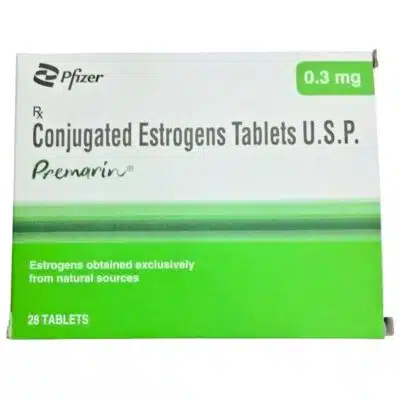
Conjugated estrogens are another category of estrogen medicine. Premarin products, for example, contain conjugated estrogens rather than pure estradiol.
These medicines may all belong to the broader category of estrogen therapy, but they should not be treated as interchangeable products.
Estradiol
A specific human estrogen used in products such as tablets, patches, gels and injections.
Estriol
A different estrogen used in certain products, including some vaginal creams.
Conjugated estrogens
A mixture of estrogenic compounds used in products such as Premarin tablets and vaginal cream.
Estrogen therapy is not simply a way to “replace hormones”
Estrogen medicines have legitimate clinical uses, but they also have important risks and contraindications.
Depending on the formulation and patient factors, estrogen therapy can be associated with serious risks including blood clots, stroke and certain cancers. For women with a uterus, systemic estrogen given without appropriate progestogen protection can increase the risk of endometrial cancer.
Medical history therefore matters.
A healthcare professional may need to consider previous blood clots, stroke or heart attack, certain cancers, unexplained vaginal bleeding, liver disease and other factors before recommending hormone therapy.
Do not start, stop or change estrogen therapy on your own.
The appropriate formulation and treatment plan depend on the indication, age, medical history, other medicines and individual risk factors.
The goal isn’t simply to increase estrogen
It can be tempting to think about hormone therapy in very simple terms: estrogen is low, so estrogen should be added.
Real treatment decisions are more nuanced.
The clinician has to consider what symptoms are being treated, whether the symptoms are actually related to estrogen deficiency, which route makes sense, whether systemic or local treatment is appropriate, and what risks the individual may have.
For some people, a tablet may be appropriate. For others, a transdermal patch or gel may be considered. Someone experiencing primarily vaginal symptoms may need a local vaginal preparation instead.
There is no universally “best” estrogen formulation.
A better question:
Instead of asking which estrogen product is strongest, ask which treatment approach provides an appropriate balance between symptom relief, treatment goals, route of administration and individual safety.
Common estrogen formulations at a glance
Estradiol 2 mg Tablet
Oral estradiol formulation for systemic estrogen therapy when prescribed appropriately.
Estraderm MX 50 Patch
Transdermal estradiol patch designed to deliver estrogen through the skin.
Estrabet Gel
Estradiol gel formulation intended for transdermal estrogen delivery.
Estradiol Valerate Injection
Injectable estrogen ester with a different delivery profile from oral and transdermal estradiol.
Premarin Vaginal Cream
A vaginal estrogen product containing conjugated estrogens.
Evalon Cream
A vaginal estrogen cream containing estriol, a different estrogen from estradiol.
Product availability, strengths, approved uses and prescribing requirements vary by country. Product information should always be checked before treatment.
Estradiol questions people often ask
What is estradiol?
Estradiol is a naturally occurring estrogen hormone and an active ingredient used in several prescription estrogen therapies.
What is estradiol used for?
Depending on the product and indication, estradiol therapy may be used to treat certain menopause-related symptoms and other conditions for which estrogen therapy is medically appropriate.
Is estradiol the same as estriol?
No. Estradiol and estriol are different estrogens. A product containing estriol should not be assumed to be equivalent to a product containing estradiol.
Is Premarin the same as estradiol?
No. Premarin contains conjugated estrogens, while estradiol products contain estradiol. Both belong to estrogen therapy, but they are different medicines.
What is the difference between estradiol tablets and patches?
Tablets deliver estradiol orally, while patches deliver estradiol through the skin. The route affects how the medicine is absorbed and may influence which option is appropriate for an individual.
Can estrogen therapy be used without medical supervision?
No. Estrogen medicines are prescription therapies with important contraindications, interactions and risks. Treatment should be selected and monitored by a qualified healthcare professional.
Estradiol is a hormone — but the treatment is about much more than the hormone itself.
Estradiol therapy is available in several forms, including tablets, transdermal patches, gels, injections and vaginal preparations. Other estrogen therapies, including estriol and conjugated estrogens, provide additional treatment options but are not identical to estradiol.
The most useful approach is not simply choosing the strongest or most convenient estrogen product. It is identifying the symptoms and treatment goal, choosing an appropriate formulation, considering individual risks, and using hormone therapy exactly as directed by a qualified healthcare professional.
Medical disclaimer: This article is for general educational purposes and is not medical advice, diagnosis or a substitute for professional treatment. Estrogen medicines are prescription therapies. Indications, strengths, dosing recommendations, contraindications and legal requirements may vary by country and product. Always follow the official product information and advice of your healthcare professional.
📢 Why do we show ads?
We work hard to keep the prices of products listed on our site
as low as possible, while continuing to provide a
quality service.
Running and maintaining the website, servers, database, and other
services comes with ongoing costs. Ads are one of the ways we help
cover these expenses.
Don’t worry — our ads are minimal and are designed
to have as little impact on your browsing experience as possible.
By allowing these small ads, you help us keep the website running,
maintain our services, and continue offering products at competitive prices.
Thank you for your support!