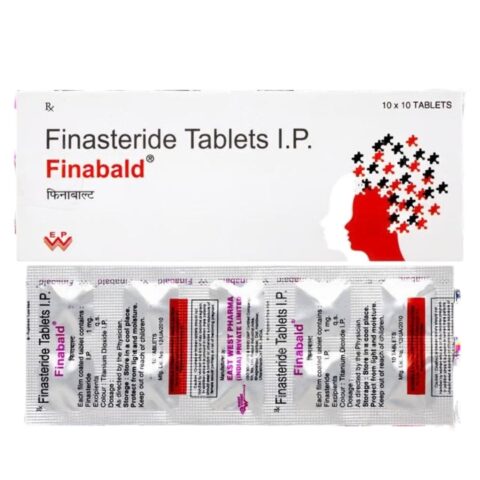
Drug: Finasteride | Class: 5-Alpha Reductase Inhibitor (5-ARI) | Brand Reference: Propecia 1mg (Merck, hair loss); Proscar 5mg (Merck, BPH); Finpecia 1mg (Cipla India) | Indication: Male pattern baldness / androgenetic alopecia (1mg); benign prostatic hyperplasia (5mg) | Standard Dose: Hair loss: 1mg once daily (ongoing)
Finasteride 1mg reduces scalp DHT (the hormone responsible for androgenetic alopecia) by 60–70%, stopping hair follicle miniaturisation in 83% of men and re-growing hair in 66% of users over 2 years. It must be taken daily and continuously — hair lost before treatment does not regrow, and stopping treatment reverses all benefits within 6–12 months. Finasteride is the only oral FDA-approved medication for male pattern baldness.
Finasteride contains Finasteride, a 5-alpha reductase inhibitor (5-ari) indicated for male pattern baldness / androgenetic alopecia (1mg); benign prostatic hyperplasia (5mg). MWHRS trial: finasteride 1mg stopped hair loss progression in 83% and increased hair count in 66% over 2 years; PLESS trial: 5mg reduced acute urinary retention by 57% in BPH.
| Attribute | Details |
|---|---|
| Generic Name | Finasteride |
| Drug Class | 5-Alpha Reductase Inhibitor (5-ARI) |
| Brand Reference | Propecia 1mg (Merck, hair loss); Proscar 5mg (Merck, BPH); Finpecia 1mg (Cipla India) |
| Primary Indication | Male pattern baldness / androgenetic alopecia (1mg); benign prostatic hyperplasia (5mg) |
| Standard Dose | Hair loss: 1mg once daily (ongoing). BPH: 5mg once daily. Both: minimum 3–6 months before measurable effect; typically taken for years |
| Dosage Form | Film-Coated Tablet |
| Route | Oral |
| Prescription Required | Yes |
| Evidence Base | MWHRS trial: finasteride 1mg stopped hair loss progression in 83% and increased hair count in 66% over 2 years; PLESS trial: 5mg reduced acute urinary retention by 57% in BPH |
Inhibits 5-alpha reductase Type II enzyme, blocking conversion of testosterone to dihydrotestosterone (DHT) — reducing scalp DHT by 60–70% and serum DHT by 65% — making Finasteride effective against male pattern baldness / androgenetic alopecia (1mg); benign prostatic hyperplasia (5mg).
Finasteride typically takes 3–6 months of daily use before any change in hair count or density is noticeable. Maximum benefit is seen at 1–2 years. The first effect is usually a slowing or stopping of hair loss rather than immediate regrowth. Some men report a ‘shedding’ phase in the first 2–3 months as telogen hairs cycle out — this is temporary and indicates the drug is working.
In clinical trials, finasteride 1mg caused sexual side effects (reduced libido, erectile dysfunction, reduced ejaculate volume) in approximately 2% of men compared to 1% placebo. Most side effects resolve when treatment is stopped. Post-Finasteride Syndrome (PFS) — persistent sexual dysfunction after stopping — is reported but its frequency and causality remain scientifically debated.
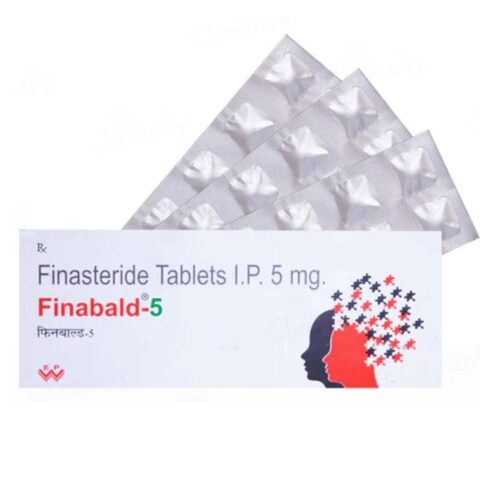
Same drug, different dose for different indications. 1mg (Propecia/Finpecia) is for male pattern baldness. 5mg (Proscar) is for benign prostatic hyperplasia (enlarged prostate). Men sometimes cut 5mg tablets into quarters to approximate 1.25mg — not perfectly accurate but commonly done for cost saving. Clinically, 1mg provides near-maximal DHT suppression; 5mg has minimal additional DHT lowering at the scalp.
Finasteride is contraindicated in women who are or may become pregnant — it causes feminisation of male foetuses. Post-menopausal women without pregnancy risk have been treated off-label with finasteride 1–5mg for female androgenetic alopecia in some specialist practices, with modest evidence. Finasteride is not approved for female hair loss in most countries.
Finasteride reduces the incidence of prostate cancer (particularly low-grade) by approximately 25% in the PCPT trial. However, there was a slight increase in high-grade prostate cancer detected — likely due to better biopsy sampling at finasteride-reduced prostate volume. Current consensus does not support an increased risk of clinically significant prostate cancer from finasteride. It is used off-label for prostate cancer chemoprevention in high-risk men.
Store at 15–30°C away from sunlight and moisture. Keep out of reach of children. Do not use past expiry date.
Orders ship from our India Head Office within 1–2 business days of confirmation. We include full customs documentation — HS codes, certificates of origin, and pharmaceutical export permits.
Estimated delivery: 3–7 business days to UK. 7–10 business days to UAE, Saudi Arabia and Gulf countries. 10–15 days for USA and Asian countries.
All packages arrive in plain, unmarked brown boxes. No pharmacy name or medication details on the outside.
Only logged in customers who have purchased this product may leave a review.

Reviews
There are no reviews yet.