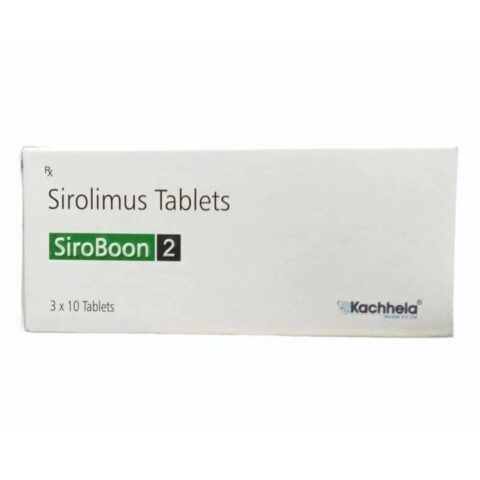
Sirolimus 2mg Tablet is a prescription immunosuppressant containing sirolimus, also known as rapamycin. It is used primarily as part of immunosuppressive therapy to help prevent rejection following kidney transplantation and, depending on the country and product, for other specialist indications. Rapamune® 2mg is the reference brand containing sirolimus, while generic sirolimus 2mg tablets are available from multiple manufacturers in some markets.
Sirolimus is primarily used as an immunosuppressive medicine in transplant medicine.
Depending on the approved product and jurisdiction, sirolimus may be used for:
The exact treatment regimen is individualized according to the transplanted organ, concurrent immunosuppressants, blood concentrations, kidney and liver function, and other clinical factors.
Sirolimus inhibits mechanistic target of rapamycin (mTOR), an intracellular signaling pathway involved in cellular growth, proliferation, metabolism, and immune-cell activation.
By forming a complex with FKBP-12, sirolimus inhibits mTORC1 signaling. This suppresses T-lymphocyte activation and proliferation, thereby reducing the immune response that can contribute to transplant rejection.
Following an organ transplant, the immune system can recognize the transplanted organ as foreign and mount an immune response against it.
Sirolimus reduces this immune response and may be incorporated into a broader immunosuppressive regimen. It is commonly used in combination with other transplant medicines according to a specialist-designed treatment plan.
Because sirolimus has a narrow therapeutic range, blood-level monitoring is an important part of treatment for appropriate patients.
Sirolimus is the generic active ingredient, while Rapamune® is a branded product containing sirolimus.
Therefore:
Generic availability and authorized manufacturers differ between countries.
Sirolimus significantly suppresses immune-system activity and therefore requires specialist medical supervision.
Important risks and adverse effects may include:
Sirolimus can also interact with numerous medicines, particularly medicines affecting CYP3A4 and P-glycoprotein pathways. Grapefruit and grapefruit juice may also affect sirolimus exposure.
Because blood concentrations can change substantially with drug interactions and changes in formulation or dosing, patients should not change their sirolimus product, dose, or treatment schedule without specialist guidance.
Healthcare professionals may monitor:
Therapeutic drug monitoring is particularly important because insufficient exposure can increase rejection risk, while excessive exposure can increase toxicity.
Commercial searches associated with this medicine include Sirolimus 2mg Tablet, Buy Sirolimus 2mg, Generic Rapamune 2mg, Sirolimus 2mg price, Sirolimus 2mg online pharmacy, and Sirolimus 2mg transplant medicine.
Sirolimus is a prescription immunosuppressant and should only be obtained from a legitimate, appropriately regulated pharmacy or supplier. Prescription requirements, approved indications, manufacturers, and import regulations vary by country.
What is Sirolimus 2mg Tablet?
Sirolimus 2mg Tablet is a prescription immunosuppressive medicine containing 2mg of sirolimus. It is primarily used in transplant medicine to help prevent organ rejection.
Is Sirolimus the same as Rapamune®?
Rapamune® is a brand containing sirolimus. Sirolimus 2mg tablets can be marketed as generic versions when appropriately authorized.
What is Sirolimus 2mg used for?
Its primary transplant indication is prevention of rejection following kidney transplantation. Other specialist uses depend on the specific product and local regulatory authorization.
Is Sirolimus a steroid?
No. Sirolimus is not a corticosteroid. It is an mTOR inhibitor immunosuppressant.
How does Sirolimus work?
Sirolimus inhibits the mTOR signaling pathway, reducing T-cell activation and proliferation and thereby suppressing immune responses involved in transplant rejection.
Does Sirolimus require blood monitoring?
Yes. Sirolimus has a narrow therapeutic range, and therapeutic drug monitoring is used in appropriate patients to help maintain effective and safe blood concentrations.
Can Sirolimus interact with other medicines?
Yes. Sirolimus has clinically important drug interactions, particularly with medicines that affect CYP3A4 or P-glycoprotein. A transplant specialist or pharmacist should review all medicines and supplements.
Can I switch between Sirolimus products?
Patients should not switch brands, formulations, or manufacturers without medical guidance. Changes can affect sirolimus exposure and may require additional blood-level monitoring.
Can Sirolimus increase infection risk?
Yes. Because sirolimus suppresses immune function, patients may have an increased risk of infections and should promptly report concerning symptoms to their healthcare team.
Can Sirolimus increase cholesterol or triglycerides?
Yes. Increased blood lipid levels are recognized with sirolimus treatment, and lipid monitoring may be required.
Is Sirolimus 2mg available as a generic?
Yes. Generic sirolimus 2mg products are available in various markets, although specific manufacturers and formulations differ by country.
Is Sirolimus 2mg available internationally?
Sirolimus products are marketed in multiple countries, but regulatory status, approved indications, manufacturers, prescription requirements, and import restrictions vary between markets.
Last Updated: September 14, 2026 | Medically Reviewed By: Licensed Pharmacist
Medical Disclaimer: This information is provided for educational purposes only and is not a substitute for professional medical advice, diagnosis, or treatment. Sirolimus is a prescription immunosuppressant requiring specialist supervision and, in appropriate patients, therapeutic drug monitoring. Always consult your transplant specialist or qualified healthcare professional before starting, stopping, or changing treatment.
Orders ship from our India Head Office within 1–2 business days of confirmation. We include full customs documentation — HS codes, certificates of origin, and pharmaceutical export permits.
Estimated delivery: 3–7 business days to UK. 7–10 business days to UAE, Saudi Arabia and Gulf countries. 10–15 days for USA and Asian countries.
All packages arrive in plain, unmarked brown boxes. No pharmacy name or medication details on the outside.
Only logged in customers who have purchased this product may leave a review.

Reviews
There are no reviews yet.