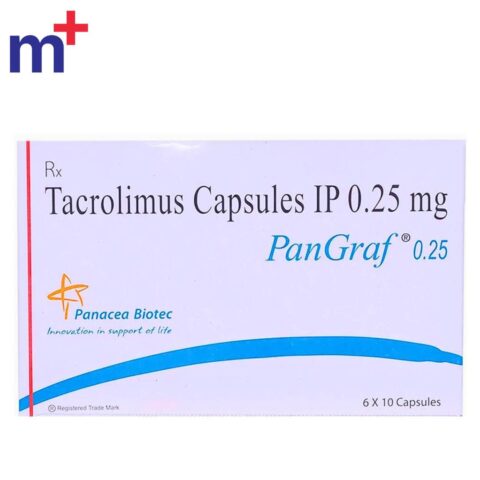
Tacrograf 0.25 mg Capsule contains tacrolimus, a calcineurin inhibitor used to prevent organ transplant rejection. It suppresses immune system activity, helping protect transplanted organs from immune attack. Commonly used after kidney, liver, heart, and other organ transplants under specialist supervision.
Tacrograf contains tacrolimus, a powerful immunosuppressant that has transformed modern transplant medicine.
A transplanted organ can function perfectly from a surgical perspective and still fail if the immune system identifies it as foreign tissue.
That is where tacrolimus comes in.
Rather than suppressing the entire immune system indiscriminately, tacrolimus targets a critical pathway involved in T-cell activation, helping prevent rejection while allowing patients to maintain long-term graft function.
Today, tacrolimus remains one of the most widely prescribed anti-rejection medications worldwide.
Tacrolimus works by inhibiting calcineurin, a protein required for T-cell activation.
Without this signal, immune cells become significantly less capable of launching an attack against a transplanted organ.
The challenge is balance.
Too little tacrolimus may increase the risk of rejection.
Too much tacrolimus may increase the risk of kidney toxicity, infections, neurological side effects, and other complications.
That is why transplant specialists routinely monitor tacrolimus blood concentrations and adjust dosing accordingly.
The 0.25 mg capsule is often used when small dose changes are needed to achieve precise therapeutic levels.
Tacrolimus is commonly prescribed for:
In some specialist settings, tacrolimus may also be used for selected immune-mediated conditions under physician supervision.
| Condition | Clinical Use |
|---|---|
| Kidney Transplantation | Prevention of graft rejection |
| Liver Transplantation | Long-term immunosuppression |
| Heart Transplantation | Rejection prevention |
| Lung Transplantation | Maintenance immunosuppressive therapy |
| Pancreas Transplantation | Graft protection |
| Organ Transplant Maintenance | Long-term rejection prevention |
Before tacrolimus became widely available, transplant outcomes were significantly more challenging.
The introduction of tacrolimus dramatically improved graft survival rates and long-term transplant success.
Its effectiveness comes from potent suppression of T-cell activity, the primary driver of acute transplant rejection.
Even today, most transplant protocols worldwide continue to include tacrolimus as a core component of immunosuppressive therapy.
For many transplant recipients, maintaining stable tacrolimus levels is one of the most important factors influencing long-term graft survival.
| Strength | Common Use |
|---|---|
| 0.25 mg | Fine dose adjustments |
| 0.5 mg | Maintenance therapy |
| 1 mg | Standard dosing regimens |
| 2 mg | Higher maintenance requirements |
| 5 mg | Individualized specialist dosing |
Actual dosing depends on transplant type, body weight, blood levels, time since transplant, and physician recommendations.
| Attribute | Details |
|---|---|
| Generic Name | Tacrolimus |
| Brand Name | Tacrograf® |
| Strength | 0.25 mg |
| Dosage Form | Capsule |
| Drug Class | Calcineurin Inhibitor |
| Route | Oral |
| Used For | Organ Transplant Rejection Prevention |
Tacrograf 0.25 mg is used primarily to prevent organ transplant rejection and is often prescribed when precise tacrolimus dose adjustments are required.
Yes. Tacrograf is a brand containing tacrolimus as the active pharmaceutical ingredient.
Tacrolimus has a narrow therapeutic range. Blood tests help ensure levels remain effective while minimizing toxicity.
Yes. Tacrolimus is considered one of the most important medicines used after kidney transplantation to reduce rejection risk.
Many transplant recipients require tacrolimus-based immunosuppression for years and often for life, depending on individual circumstances.
Low tacrolimus levels may increase the risk of acute or chronic transplant rejection.
Answer: Yes. International shipping is available to many countries, subject to local regulations and product availability.
Answer: Tacrograf contains tacrolimus, the same active ingredient found in Prograf® and other tacrolimus formulations.
Answer: Products are supplied in manufacturer-sealed pharmaceutical packaging and packed securely for international delivery.
Answer: Verify manufacturer information, batch number, expiry date, and original packaging upon receipt.
Orders ship from our India Head Office within 1–2 business days of confirmation. We include full customs documentation — HS codes, certificates of origin, and pharmaceutical export permits.
Estimated delivery: 3–7 business days to UK. 7–10 business days to UAE, Saudi Arabia and Gulf countries. 10–15 days for USA and Asian countries.
All packages arrive in plain, unmarked brown boxes. No pharmacy name or medication details on the outside.
Only logged in customers who have purchased this product may leave a review.

Reviews
There are no reviews yet.