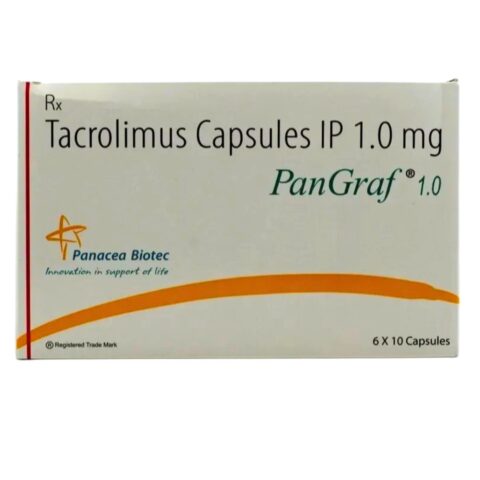
Tacrograf 1 mg Capsule contains tacrolimus, a calcineurin inhibitor used to prevent organ transplant rejection. It helps suppress immune activity and protect transplanted organs from immune-mediated damage. Widely prescribed after kidney, liver, heart, and lung transplantation under specialist supervision.
For transplant patients, survival does not depend solely on a successful surgery.
The real challenge begins afterward.
The immune system is designed to identify and eliminate anything it considers foreign. Unfortunately, that includes transplanted organs.
Tacrograf contains tacrolimus, one of the most important immunosuppressive medicines used in modern transplant medicine. It helps prevent the body’s immune defenses from attacking a transplanted organ, allowing the graft to function normally for years or even decades.
Today, tacrolimus remains a cornerstone therapy in transplant centers worldwide and is considered one of the biggest advances in organ transplantation over the last thirty years.
Most transplant rejection is driven by activated T-lymphocytes.
These immune cells recognize transplanted tissue and trigger an attack designed to destroy it.
Tacrolimus works by blocking calcineurin, a protein essential for T-cell activation.
Without this signal, immune cells become far less capable of mounting a rejection response.
This mechanism helps:
What makes tacrolimus particularly effective is its potency. Small dose changes can significantly affect blood levels, which is why regular monitoring remains essential.
Tacrolimus is commonly used after:
Most patients receive tacrolimus as part of a broader immunosuppressive regimen that may include corticosteroids or additional anti-rejection medications.
| Condition | Clinical Purpose |
|---|---|
| Kidney Transplant | Prevention of rejection |
| Liver Transplant | Long-term graft protection |
| Heart Transplant | Immunosuppressive therapy |
| Lung Transplant | Rejection prevention |
| Pancreas Transplant | Graft maintenance |
| Post-Transplant Care | Long-term immune suppression |
Tacrolimus is extremely effective, but it requires precision.
Too little medication may allow rejection to occur.
Too much may increase the risk of:
That balance is why transplant teams routinely measure tacrolimus trough levels and adjust dosing accordingly.
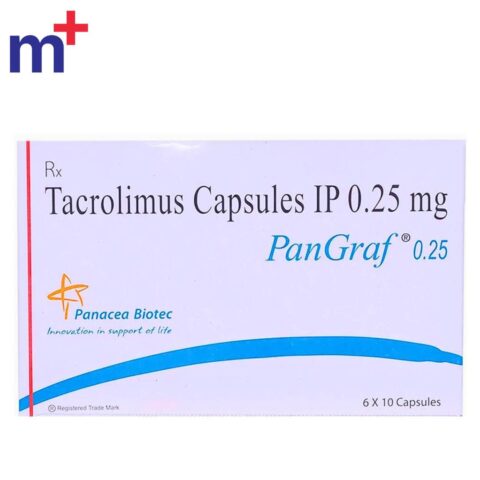
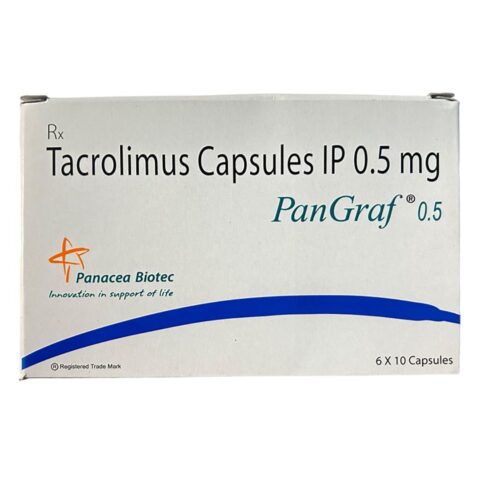
Many patients ultimately take combinations of 0.25 mg, 0.5 mg, 1 mg, and 5 mg capsules to achieve the exact therapeutic target required.
| Strength | Common Use |
|---|---|
| 0.25 mg | Fine dose adjustment |
| 0.5 mg | Maintenance therapy |
| 1 mg | Standard transplant maintenance |
| 2 mg | Higher-dose regimens |
| 5 mg | Individualized specialist dosing |
Dosage varies based on transplant type, body weight, blood concentrations, and physician recommendations.
| Attribute | Details |
|---|---|
| Generic Name | Tacrolimus |
| Brand Name | Tacrograf® |
| International Brands | Prograf®, Advagraf®, Astagraf XL® |
| Strength | 1 mg |
| Dosage Form | Capsule |
| Drug Class | Calcineurin Inhibitor |
| Route | Oral |
| Used For | Organ Transplant Rejection Prevention |
Both Tacrograf and Prograf contain tacrolimus as the active ingredient and are used to prevent organ transplant rejection.
The immune system continuously recognizes transplanted organs as foreign tissue. Daily immunosuppression helps prevent rejection and maintain graft function.
Tacrolimus is commonly used after kidney, liver, heart, lung, pancreas, and multi-organ transplantation.
Many patients require tacrolimus therapy for life, although doses are often reduced over time based on specialist guidance.
Stopping tacrolimus without medical supervision can significantly increase the risk of transplant rejection and graft loss.
Tacrolimus has a narrow therapeutic range, meaning blood levels must be carefully monitored to balance effectiveness and safety.
Both medicines are effective immunosuppressants, but tacrolimus is often preferred in modern transplant protocols because of its strong anti-rejection efficacy and established long-term outcomes.
Answer: Yes. We supply Tacrograf 1 mg Capsules to eligible international destinations, subject to local regulations and prescription requirements.
Answer: Yes. Tacrograf contains tacrolimus, the same active ingredient used in Prograf®, Advagraf®, and Astagraf XL® formulations.
Answer: Products are supplied in manufacturer-sealed pharmaceutical packaging with batch details, expiry information, and original labeling.
Answer: Yes. Tacrolimus remains one of the most commonly prescribed medicines for long-term kidney transplant maintenance worldwide.
Orders ship from our India Head Office within 1–2 business days of confirmation. We include full customs documentation — HS codes, certificates of origin, and pharmaceutical export permits.
Estimated delivery: 3–7 business days to UK. 7–10 business days to UAE, Saudi Arabia and Gulf countries. 10–15 days for USA and Asian countries.
All packages arrive in plain, unmarked brown boxes. No pharmacy name or medication details on the outside.
Only logged in customers who have purchased this product may leave a review.

Reviews
There are no reviews yet.