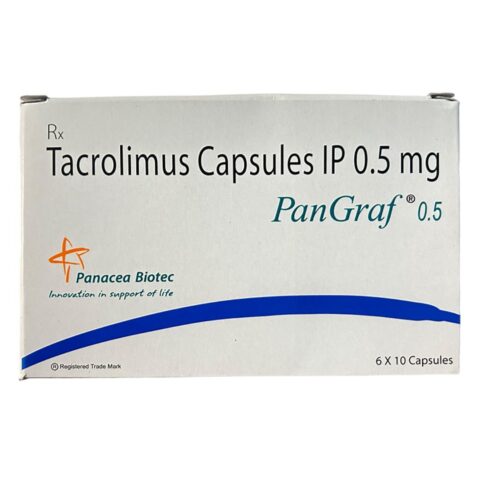
Tacrograf 0.5 mg Capsule contains tacrolimus, a calcineurin inhibitor used to prevent organ transplant rejection. It suppresses immune system activity, helping protect transplanted organs while maintaining long-term graft survival. Commonly prescribed after kidney, liver, heart, and lung transplantation under specialist supervision.
If there is one medicine transplant patients quickly learn the importance of, it is usually tacrolimus.
The reason is simple.
A transplanted organ can function perfectly from a surgical standpoint, yet still fail because the immune system sees it as foreign tissue and begins attacking it.
Tacrograf contains tacrolimus, one of the most widely prescribed anti-rejection medicines in modern transplant medicine.
Its role is straightforward but critical: keep the immune system calm enough to protect the transplanted organ while maintaining the lowest effective dose possible.
For many patients, tacrolimus becomes a lifelong part of post-transplant care.
Tacrolimus belongs to a class of medicines called calcineurin inhibitors.
It works by blocking a key pathway that activates T-lymphocytes, the immune cells most responsible for transplant rejection.
What makes tacrolimus unique is its narrow therapeutic window.
The difference between an effective dose and an excessive dose can be surprisingly small.
Too little tacrolimus may allow rejection to occur.
Too much tacrolimus may increase the risk of:
That is why transplant teams routinely perform tacrolimus trough-level monitoring and often use multiple capsule strengths, including 0.5 mg capsules, to achieve precise dosing.
Tacrolimus is commonly prescribed after:
It is often used alongside other immunosuppressive medicines as part of a long-term rejection prevention strategy.
| Condition | Clinical Purpose |
|---|---|
| Kidney Transplant | Prevention of graft rejection |
| Liver Transplant | Long-term immunosuppression |
| Heart Transplant | Anti-rejection therapy |
| Lung Transplant | Maintenance immunosuppression |
| Pancreas Transplant | Organ protection |
| Post-Transplant Care | Long-term rejection prevention |
Before tacrolimus became widely available, transplant medicine faced a major challenge.
Doctors could successfully perform the transplant surgery but struggled to control rejection effectively.
Tacrolimus dramatically changed that.
Its ability to suppress T-cell activity improved graft survival rates across multiple organ types and helped establish modern transplant medicine as we know it today.
Most transplant centers worldwide still rely on tacrolimus-based protocols because decades of clinical experience continue to support its effectiveness.
| Strength | Common Use |
|---|---|
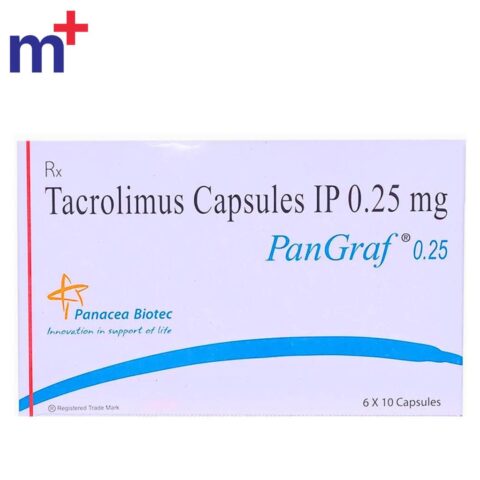
| 0.25 mg | Fine dose adjustments |
| 0.5 mg | Maintenance therapy |
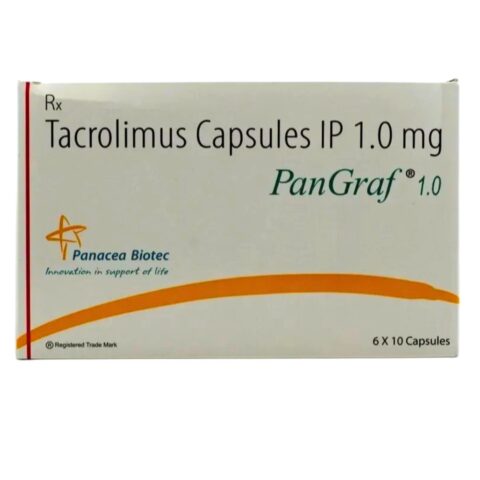
| 1 mg | Standard dosing |
| 2 mg | Higher-dose maintenance |
| 5 mg | Individualized transplant protocols |
Actual dosing is determined by transplant specialists using blood-level monitoring.
| Attribute | Details |
|---|---|
| Generic Name | Tacrolimus |
| Brand Name | Tacrograf® |
| International Brands | Prograf®, Advagraf®, Astagraf XL® |
| Strength | 0.5 mg |
| Dosage Form | Capsule |
| Drug Class | Calcineurin Inhibitor |
| Route | Oral |
| Used For | Organ Transplant Rejection Prevention |
Tacrograf and Prograf contain the same active ingredient, tacrolimus. They are used for the same purpose: preventing organ transplant rejection.
The immune system never completely forgets that a transplanted organ is foreign. Long-term immunosuppression is often necessary to protect the graft.
Yes. Tacrolimus remains one of the most important medicines used worldwide for kidney transplant rejection prevention.
Small changes in tacrolimus concentration can affect both effectiveness and safety. Blood monitoring helps maintain optimal therapeutic levels.
Low tacrolimus levels may increase the risk of acute rejection and long-term graft damage.
Yes. Tacrolimus is commonly prescribed following liver transplantation and remains a standard component of post-transplant care.
Many transplant recipients continue tacrolimus therapy indefinitely, although dosing may change over time based on medical supervision.
Answer: Yes. We supply Tacrograf 0.5 mg Capsules to eligible international destinations, subject to local import regulations and prescription requirements.
Answer: Yes. Tacrograf contains tacrolimus, the same active ingredient found in Prograf® and other tacrolimus formulations used worldwide.
Answer: Products are supplied in manufacturer-sealed pharmaceutical packaging with batch information, expiry date, and original labeling.
Answer: Brand switching should only occur under transplant specialist supervision because blood levels may require monitoring and dose adjustment.
Orders ship from our India Head Office within 1–2 business days of confirmation. We include full customs documentation — HS codes, certificates of origin, and pharmaceutical export permits.
Estimated delivery: 3–7 business days to UK. 7–10 business days to UAE, Saudi Arabia and Gulf countries. 10–15 days for USA and Asian countries.
All packages arrive in plain, unmarked brown boxes. No pharmacy name or medication details on the outside.
Only logged in customers who have purchased this product may leave a review.

V.P.Sha (verified owner) –
Kudos to the website owner. Great service. fast delivery. can be trusted.
Clifford (verified owner) –
Always fast and reliable service